Everything You Need to Know About Trailer Snaking
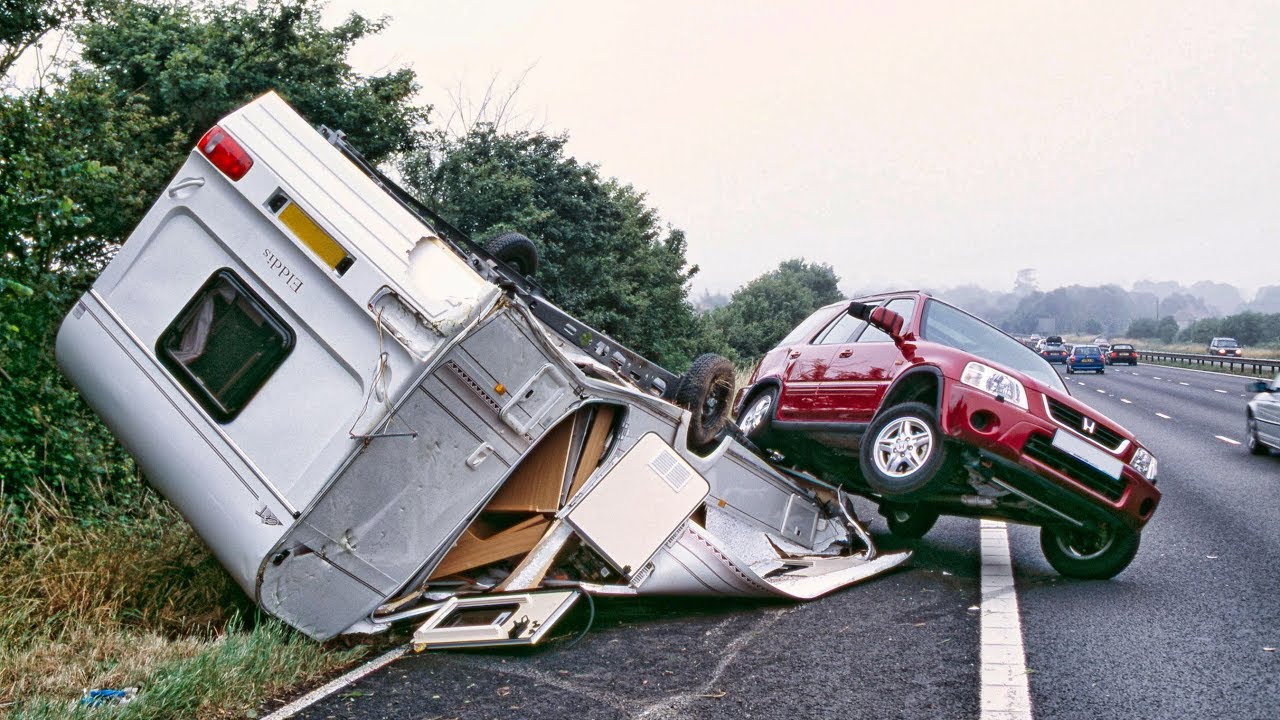
If you’ve ever towed a trailer, you may have felt that terrifying sway from side to side—the one that makes your palms sweat and your heart race. That’s trailer snaking, and it’s one of the most dangerous and misunderstood phenomena in towing. But with the right knowledge, you can prevent it, manage it, and tow with confidence.
Let’s break down everything you need to know about trailer snaking: what it is, what causes it, how to stop it, and most importantly, how to prevent it.
What Is Trailer Snaking?
Trailer snaking, also called trailer sway, occurs when a trailer begins to oscillate from side to side while being towed. At first, it may start with a subtle wobble, but if not corrected, it can rapidly escalate into violent swinging that puts you, your vehicle, and others on the road at serious risk.
What Causes Trailer Snaking?
Trailer snaking can be caused by a number of factors, often working together:
1. Improper Weight Distribution
If too much weight is placed at the rear of the trailer or not enough tongue weight is applied (generally 10–15% of the trailer’s total weight), the trailer can become unstable.
2. High Speeds
As speed increases, even a slight sway can quickly grow. Towing at high speeds significantly raises the risk of snaking.
3. Strong Crosswinds or Passing Vehicles
Sudden gusts of wind or air displacement from a passing semi-truck can trigger sway.
4. Inadequate Hitching
Using the wrong type of hitch or not properly securing the trailer can reduce stability. A sway control device can significantly reduce risk.
5. Incorrect Tire Pressure or Load
Underinflated or uneven tires on either the tow vehicle or the trailer can cause instability.
What to Do If Your Trailer Starts Snaking
If you feel your trailer start to sway, don’t panic—but act quickly and calmly:
- Don’t Slam the Brakes. This can make it worse.
- Gently Let Off the Accelerator. Slow down gradually.
- Keep the Steering Wheel Steady. Sudden steering can worsen the sway.
- Activate Trailer Brakes Manually (if equipped). If your trailer brake controller allows it, apply the trailer brakes independently of the vehicle to help straighten things out.
How to Prevent Trailer Snaking
Prevention starts before you hit the road. Here’s how to reduce your chances of trailer sway:
✔️ Balance Your Load
Ensure your load is evenly distributed, with enough weight toward the front (tongue weight of 10–15% of total trailer weight).
✔️ Use the Right Hitch System
Consider a weight-distributing hitch with sway control for better stability.
✔️ Check Your Tyres
Ensure all tires (on both the tow vehicle and trailer) are properly inflated and in good condition.
✔️ Avoid Overloading
Never exceed your trailer’s or tow vehicle’s weight limits.
✔️ Drive at Safe Speeds
Stay below 65 mph when towing. The faster you go, the less control you have.
✔️ Be Aware of Weather Conditions
High winds can be dangerous—if it’s gusty out, it may be better to delay your trip.
✔️ Consider Built-In Vehicle Sway Control
Many modern tow vehicles come equipped with electronic sway control systems that automatically detect trailer sway and apply the vehicle’s brakes selectively to help stabilise the trailer. These systems work in conjunction with traction and stability control features, giving drivers an extra layer of safety. While sway control isn’t a substitute for proper loading and equipment, it can be a powerful safety net, especially in emergency situations or sudden crosswinds. If you’re in the market for a new tow vehicle, look for models that include this feature or consider aftermarket options that can integrate with your setup.
✔️ Vehicle Specific Wiring.
For vehicle sway control to be active when towing, you will need a vehicle-specific electrical kit to be fitted. When you plug in your trailer/caravan, the vehicle will automatically detect that a trailer has been fitted, and its sway system will become active. This feature will not activate if universal wiring has been installed.
Final Thoughts
Trailer snaking is scary, but it’s not inevitable. With proper setup, careful driving, and routine maintenance, you can enjoy a smooth and safe towing experience. Understanding the causes of trailer sway—and how to handle it—puts you in control, even when the road throws surprises your way.
Whether you’re hauling a camper, a boat, or a utility trailer, respect the physics of towing, prepare properly, and always put safety first.
At Ultimate Towbars, we’re here to help keep your adventures safe and steady.
Team Ultimate.
The information published on the Ultimate Towbars blog is provided for general information and educational purposes only. While every effort is made to ensure that the content is accurate, up to date, and relevant, Ultimate Towbars Ltd makes no representations or warranties, express or implied, regarding the completeness, accuracy, reliability, suitability, or availability of any information, products, or services mentioned.
The content on this blog does not constitute professional advice — legal, technical, mechanical, or otherwise. Readers should not rely solely on the information provided herein and are encouraged to consult the Driver and Vehicle Standards Agency (DVSA), relevant legislation, or a qualified professional before taking any action based on the information contained on this website.
Ultimate Towbars Ltd accepts no responsibility or liability for any loss, damage, or injury that may arise directly or indirectly from reliance on the information or opinions presented in this blog. Any links to third-party websites are provided for convenience only and do not imply endorsement; Ultimate Towbars Ltd has no control over the content or availability of those external sites.
By using this website and reading our blog content, you acknowledge and agree that you do so at your own discretion and risk.