Drop Plates and Towing Law: What You Need to Know
There’s a lot of confusion and debate in the towing community about the use of drop plates — and with good reason. Over the years, towing regulations have changed significantly, and what was once perfectly legal may no longer comply with current safety standards.
So let’s clear it up:
Are drop plates legal?
The answer isn’t a simple “yes” or “no.” It depends on the age of your vehicle, the type of tow bar fitted, and whether the components are type-approved.
Understanding Type Approval
Type approval is a legal requirement for most towing equipment on vehicles first registered after 1 August 1998.
Before this date, there were no type approval regulations governing tow bars or their fittings in the UK. This meant that modifications such as fitting a drop plate were generally unrestricted — provided the installation was safe and secure.
However, after 1 August 1998, European regulations were introduced, requiring that any tow bar fitted to a vehicle must be EC Type Approved for that specific make and model. This ensures that the tow bar has been tested to meet strict safety and performance standards.
👉 In short:
- Pre–August 1998 vehicles → Drop plates can legally be fitted.
- Post–August 1998 vehicles → Only type-approved tow bars and accessories may be used.
Why Tow Ball Height Matters
One of the main reasons people fit drop plates is to adjust the tow ball height.
For safe towing, the height of the tow ball (measured from the ground to the centre of the ball) should typically be between 350mm and 420mm when the vehicle is fully loaded. If the ball is too high, the trailer may not tow level, leading to poor stability, uneven braking, and excessive wear on the running gear.
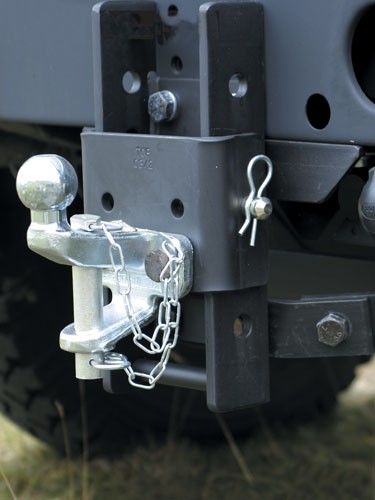
Drop plates can be used to lower the tow ball height — but only in very specific circumstances.
Two-Bolt vs Four-Bolt Tow Bar Mountings
The type of tow bar you have makes a critical difference:
- Standard two-bolt flange tow bars (common on cars and light vehicles) are not designed or approved for drop plates.
- If you attach a drop plate to a two-bolt flange fitting on a post-1998 vehicle, you’re breaking the law and creating a serious safety risk.
- This type of setup has not been tested for the increased leverage and stress that a drop plate introduces.
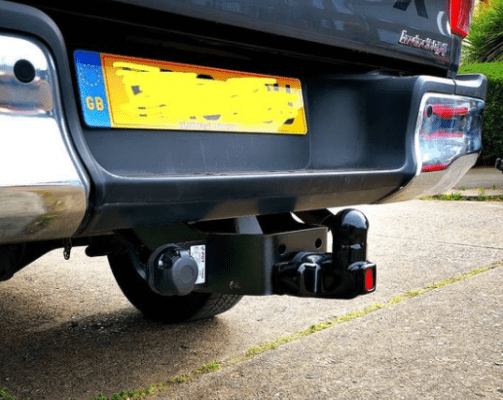
- Commercial four-bolt flange tow bars (often fitted to vans, pick-ups, and heavy-duty vehicles) are different.
- These are usually designed to allow more flexibility in fitting accessories.
- If the lower set of bolt holes gives a tow ball height above 420mm, you may fit a type approved drop plate to bring it down to legal height.
- Crucially, the drop plate itself must carry a visible type approval mark.
When Drop Plates Are (and Aren’t) Needed
For most standard vehicles, you shouldn’t need a drop plate unless:
- The vehicle has been modified in some way (e.g. raised suspension).
- You are towing with a commercial vehicle that has a properly designed and type-approved commercial tow bar.
Fitting a drop plate simply to “make it work” on a standard car or non-commercial tow bar is not acceptable and could render your towing setup illegal.
Legal Risks and Safety Concerns
Using a drop plate incorrectly is not just a technical breach of regulations — it can be dangerous.
An unapproved drop plate can:
- Create additional leverage on the tow bar mounting points.
- Cause metal fatigue or cracking in the tow bar structure.
- Affect braking stability and trailer control.
- Lead to catastrophic tow bar failure while towing.
If you’re stopped by the police or involved in an accident, towing with an illegal or non–type–approved drop plate could result in:
- Fines and penalty points.
- Invalidation of your insurance.
- Liability for any resulting damage or injury.
Key Takeaways
- ✅ Pre–August 1998 vehicles → Drop plates can be used legally, as type approval wasn’t required.
- ⚠️ Post–August 1998 vehicles → You must use a type approved tow bar and only fit a drop plate if:
- The manufacturer has approved its use with that tow bar, and
- The drop plate itself is type-approved and marked accordingly.
- ❌ Never fit a drop plate to a standard two-bolt flange tow bar on a post-1998 vehicle — it’s illegal and unsafe.
- 📏 Always ensure the tow ball height falls between 350mm and 420mm when the vehicle is fully loaded.
Final Word
Drop plates still have a legitimate role in towing — particularly in commercial and specialist setups — but they must be used correctly and legally.
If in doubt, always consult the tow bar manufacturer’s specifications, check for type approval markings, or speak to a qualified tow bar fitter. A small shortcut today could lead to big problems tomorrow.
Safe Towing
Team Ultimate Towbars