
Why fitting a towbar involves much more than bolting metal to a vehicle
Modern vehicles are increasingly complex, with interconnected electronic control units, advanced driver assistance systems and sophisticated electrical architectures. Consequently, installing a towbar is no longer simply a mechanical task.
At Ultimate Towbars, we understand that a successful installation requires careful consideration of both the mechanical components and the vehicle's electronic systems.
In this technical guide, we explore the key technologies involved in modern towbar installations and explain why correct integration matters.
1. Understanding the Vehicle's CAN Bus Network
The Controller Area Network (CAN bus) allows electronic control units within a vehicle to communicate with one another.
Depending on the vehicle, these systems may include the engine management system, body control module, parking assistance, instrument cluster and electronic stability control.
Adding towing equipment can require integration with this existing network.
A correctly specified, vehicle-compatible wiring solution helps ensure that the towing electrics communicate appropriately with the vehicle's systems. Incorrect connections or unsuitable equipment can cause electrical faults, warning messages or unexpected behaviour.
This is why vehicle-specific compatibility matters when selecting a towbar wiring kit.
2. Dedicated Towing Electrics vs Universal Wiring Kits
Not all towbar wiring solutions work in the same way.
Universal wiring kits can be suitable for certain applications, but they do not necessarily provide the integration required by modern vehicles.
Dedicated wiring kits are designed for particular vehicle models and can support vehicle-specific functions where the vehicle and kit permit them.
Depending on the installation, these functions may include:
- Trailer lighting monitoring.
- Trailer detection.
- Automatic parking sensor adjustments.
- Trailer stability control integration.
- Vehicle-specific diagnostic and warning functions.
The precise features available depend on the vehicle, wiring kit and manufacturer's configuration.
Selecting the correct solution from the outset can help prevent compatibility problems and unnecessary troubleshooting.
3. Why Vehicle Coding May Be Necessary
Some modern vehicles require electronic configuration after a towbar has been installed.
This process, commonly known as vehicle coding, configures the relevant control modules to recognise and accommodate towing equipment.
Depending on the manufacturer and model, coding may enable functions such as trailer recognition, changes to parking assistance and the activation of towing-related stability systems.
Without the required configuration, certain features may not operate as intended, even when the towbar and wiring have been physically installed correctly.
However, coding requirements are vehicle-specific. Not every vehicle needs a software update, and the available functions vary between manufacturers.
4. Trailer Stability Control and Electronic Safety Systems
Trailer Stability Control and related stability-assistance functions can help a suitably equipped vehicle respond to trailer sway.
Depending on the vehicle, these systems may use information from wheel-speed sensors, yaw-rate sensors and other electronic components to identify instability and initiate corrective action.
Where supported, appropriate towing configuration can be necessary for the vehicle to recognise a trailer and activate its intended towing-related functions.
It is important to distinguish between a vehicle having a stability-control system and that system supporting a particular trailer-specific function. The manufacturer's specifications determine what is available.
5. Diagnostic Testing After Installation
Completing the mechanical installation is only part of the process.
The electrical installation should be checked to confirm that the relevant lighting circuits and other fitted functions operate correctly.
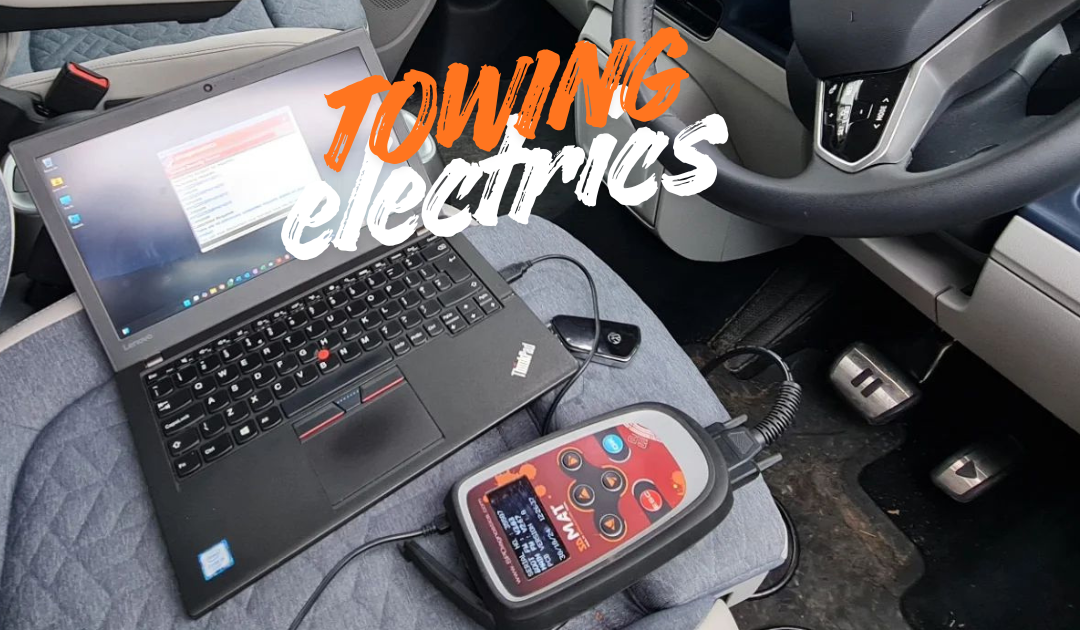
Where appropriate, diagnostic equipment can also be used to check vehicle configuration and investigate fault codes.
A professional installation should take account of the vehicle's existing condition, the manufacturer's requirements and the equipment being installed.
These checks help identify potential issues before the vehicle is used for towing.
6. Protecting Your Vehicle's Electrical System
Modern vehicles rely on carefully engineered electrical systems. Poor connections, unsuitable components and incorrect installation methods can create avoidable problems.
Using compatible components and following the relevant installation instructions helps maintain the integrity of the vehicle's electrical system.
It is also important to consider the vehicle manufacturer's requirements regarding modifications, warranty conditions and towing approval.
No single wiring solution is suitable for every vehicle, which is why selecting the correct equipment is an essential part of the process.
Conclusion: Modern Towbar Fitting Requires Modern Expertise
Today's towbar installations demand a combination of mechanical knowledge, electrical expertise and an understanding of vehicle electronics.
From dedicated wiring kits and CAN bus integration to diagnostic testing and vehicle coding, every aspect of the installation should be considered in relation to the specific vehicle.
At Ultimate Towbars, we specialise in professional towbar installations using vehicle-appropriate components, with vehicle coding and software updates where required and available.
Thinking about having a towbar fitted? Contact Ultimate Towbars to discuss your vehicle and find the right installation for your requirements.


